
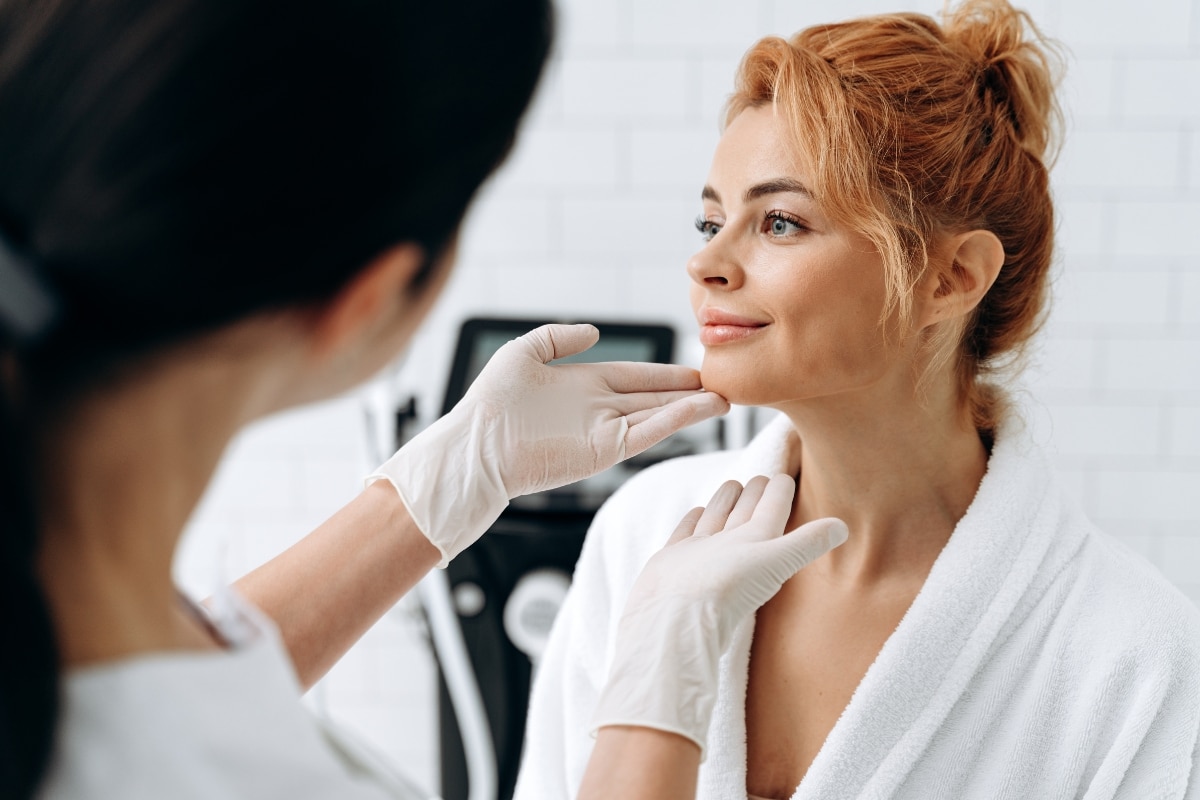
Healthy skin starts with a routine that fits your individual needs. With hundreds of cleansers, moisturizers, serums, treatments, and sunscreens available, choosing the right products can quickly become confusing. A dermatologist can help you move beyond trial and error by evaluating your skin and recommending an approach based on your specific concerns.
Whether you are dealing with acne, rosacea, eczema, psoriasis, dry skin, sun damage, or signs of aging, a personalized routine can make daily skin care more practical and effective. The right plan can also help you recognize when a skin concern needs medical attention rather than another over-the-counter product.
If you are searching for skin care in Bloomington, Dermatology and Skin Cancer Center provides medical, surgical, and cosmetic dermatology services for a wide range of skin concerns. Its team includes board-certified doctors and dermatology providers with experience treating common and complex skin conditions.
Why Your Skin Care Routine Should Be Personalized
No single skin care routine works for everyone. Skin can vary in its oiliness, dryness, sensitivity, and tendency to develop certain conditions. Your age, lifestyle, sun exposure, and existing skin concerns can also affect what products and treatments may be appropriate.
For example, a product designed for oily skin may not be the best choice for someone with very dry or sensitive skin. Similarly, persistent redness or breakouts may require more than a change in cleanser or moisturizer.
A dermatologist can assess your skin and help determine whether you need a basic daily routine, targeted skin care products, prescription treatment, or additional dermatology services.
Start With Your Primary Skin Concern
Before buying new products, think about what you want your routine to accomplish.
Common concerns include:
- Acne and recurring breakouts
- Dry or flaky skin
- Sensitive or irritated skin
- Rosacea and facial redness
- Eczema
- Psoriasis
- Sun damage
- Uneven skin tone
- Fine lines and wrinkles
- Acne scars
- Moles or other changing skin spots
Dermatology and Skin Cancer Center’s medical dermatology services address conditions such as acne, rosacea, psoriasis, eczema, contact dermatitis, rashes, and other skin concerns.
Build Your Routine Around Four Essential Steps
A good Skin Care Bloomington routine doesn’t have to include many products. In many cases, the foundation is simple: cleanse, treat specific concerns when appropriate, moisturize, and protect your skin from the sun. A dermatologist can help you determine which products and treatments are best suited to your individual skin needs.
1. Cleanse Your Skin Gently
Cleansing helps remove dirt, oil, makeup, and other buildup from the skin. However, aggressive scrubbing or harsh products can irritate.
The American Academy of Dermatology recommends using a gentle, non-abrasive cleanser, washing with lukewarm water, applying cleanser with your fingertips, and avoiding scrubbing. For most people, washing the face twice daily and after heavy sweating is sufficient.
If your skin feels tight, painful, or unusually dry after cleansing, talk with a dermatologist about whether your cleanser or routine should be changed.
2. Add Targeted Treatment When Needed
A targeted product may be appropriate when you have a specific skin concern. However, adding several active products at the same time can make irritation more likely and make it difficult to determine what is helping.
A dermatologist can help identify the most appropriate treatment based on your condition.
For example, persistent acne may require a treatment plan rather than simply adding another cleanser. Similarly, ongoing redness, itching, scaling, or irritation may be associated with a medical skin condition that needs evaluation.
The Dermatology and Skin Cancer Center team treats a range of medical dermatology concerns and can help determine appropriate treatment options.
3. Moisturize Consistently
Moisturizer helps keep the skin hydrated and can be beneficial even if your skin is oily. The most appropriate formula depends on your skin type and individual concerns.
People with dry or sensitive skin may prefer a fragrance-free moisturizer. Those with acne-prone skin may want to look for products labeled “non-comedogenic” or “won’t clog pores.”
Applying moisturizer after cleansing can help retain moisture. If your skin remains persistently dry, itchy, cracked, or irritated despite basic skin care, a dermatologist can determine whether an underlying condition may be contributing to the problem.
4. Make Sun Protection a Daily Habit
Sun protection is one of the most important parts of a skin care routine. Regular exposure to ultraviolet radiation contributes to premature skin aging and increases the risk of skin cancer.
The American Academy of Dermatology recommends using a broad-spectrum, water-resistant sunscreen with SPF 30 or higher when appropriate, along with other protective measures such as seeking shade and wearing protective clothing.
Sun protection is particularly important if you are concerned about dark spots, wrinkles, or other visible effects of sun exposure.
Choose Products Based on Your Skin Type
Understanding how your skin behaves can help you make better product choices.
Dry Skin
Dry skin can feel rough, tight, flaky, or itchy. Gentle cleansing and regular moisturizing can help support hydration. If dryness is persistent or accompanied by redness, itching, or a rash, it may be related to a condition such as eczema or another skin disorder.
Oily or Acne-Prone Skin
Oily skin can be more prone to clogged pores and breakouts. Avoid assuming that stronger or harsher products are always better. The wrong products can irritate the skin.
Non-comedogenic products may be useful for people who are prone to acne.
Sensitive Skin
Sensitive skin may sting, burn, become red, or feel irritated after using certain products. A simple routine with fewer products may be preferable to constantly changing products.
If you regularly experience irritation, a dermatologist can evaluate your skin and help identify potential causes.
Combination Skin
Combination skin may be oily in some areas and dry in others. Your routine may need to account for these differences rather than treating your entire face in the same way.
Know When Skin Care Needs a Dermatologist
A daily routine can support healthy skin, but it should not replace medical evaluation when you have a persistent or concerning problem.
Consider seeing a dermatologist if you have:
- Acne that does not improve with basic skin care
- Persistent redness or irritation
- Recurring rashes
- Severe or ongoing dryness
- Unexplained itching
- A changing mole or skin spot
- A new growth or unusual skin lesion
- Persistent sun damage
- Skin changes that bleed or cause discomfort
Early evaluation can be especially important when you notice a new or changing spot. Dermatology and Skin Cancer Center provides skin cancer detection and treatment services, as well as Mohs surgery and surgical dermatology.
Follow the Right Order for Your Products
Using products in the correct order can help simplify your routine. The American Academy of Dermatology recommends cleansing first, followed by medication or treatment when applicable, then moisturizer and/or sunscreen. Makeup can be applied afterward.
A Simple Morning Routine
A basic morning routine may include:
- Gentle cleanser
- Recommended treatment, if needed
- Moisturizer
- Sunscreen
A Simple Evening Routine
An evening routine may include:
- Gentle cleanser
- Recommended treatment, if needed
- Moisturizer
Your dermatologist may recommend additional or different steps depending on your skin condition and treatment plan.
Avoid the “More Is Better” Approach
An elaborate routine is not necessarily a better routine. Using too many products can increase the possibility of irritation and make it harder to determine which products are actually benefiting your skin. The American Academy of Dermatology recommends keeping routines simple and focusing on consistency.
Instead of following every new skin care trend, focus on your specific concerns and introduce changes thoughtfully. If a product causes burning, significant irritation, or worsening symptoms, stop using it and discuss the problem with a dermatologist.
When Cosmetic Dermatology May Be Right for You
Skin care is not limited to treating medical conditions. Some people also want to address visible concerns such as wrinkles, scars, or other signs of aging.
Dermatology and Skin Cancer Center offers cosmetic dermatology services in addition to medical and surgical dermatology. Its website lists cosmetic treatment options and services involving products and treatments such as Botox, Dysport, Restylane, and Juvéderm.
A consultation can help you understand which options may be appropriate for your individual goals.
Why Choose Dermatology and Skin Cancer Center in Bloomington?
Dermatology and Skin Cancer Center provides medical, surgical, cosmetic, and skin cancer care. The practice’s team includes board-certified doctors and providers with experience in areas such as acne, rosacea, psoriasis, contact dermatitis, skin cancer, and cosmetic dermatology.
The Bloomington office is located at 3302 Gerig Drive, Suite 100, Bloomington, IL 61704. The office is open Monday through Friday from 8 a.m. to 5 p.m.
For patients seeking personalized guidance, a dermatology consultation can provide a clearer path to managing existing skin concerns and maintaining healthier-looking skin.
Trusted Skin Care Guidance From the American Academy of Dermatology
For additional patient-focused information about cleansing, moisturizing, sunscreen, and choosing skin care products, the American Academy of Dermatology provides evidence-based skin care guidance.
Take the Next Step Toward Healthier Skin
Your skin care routine should work for your skin, not simply follow the latest trend. If you are unsure which products to use, struggling with a persistent skin concern, or interested in improving your skin’s appearance, a dermatologist can help you make informed decisions.
Dermatology and Skin Cancer Center offers comprehensive dermatology care in Bloomington for medical, surgical, cosmetic, and skin cancer concerns.
Ready to create a skin care plan that fits your needs? Call Dermatology and Skin Cancer Center at (309) 533-7070 to schedule an appointment at the Bloomington office.
Frequently Asked Questions
1. How can a dermatologist help me build a skin care routine?
A dermatologist can evaluate your skin, identify medical or cosmetic concerns, and recommend products or treatments based on your individual needs. This can help you avoid unnecessary products and create a routine that is easier to maintain.
2. How many products should I use in my daily skin care routine?
There is no fixed number of products everyone should use. A basic routine can include a gentle cleanser, moisturizer, and sunscreen. Additional treatments may be recommended for specific concerns.
3. Should I see a dermatologist if my skin is constantly dry?
Yes. Persistent dryness, itching, redness, cracking, or irritation may sometimes be associated with an underlying skin condition. A dermatologist can evaluate your symptoms and recommend appropriate care.
4. Can a dermatologist help with acne and rosacea?
Yes. Dermatology and Skin Cancer Center treats acne and rosacea as part of its medical dermatology services. A provider can evaluate your symptoms and recommend an appropriate treatment approach.
5. When should I have a mole or skin spot checked?
You should schedule a dermatology evaluation if you notice a new or changing mole, spot, or growth, particularly if it changes in appearance or causes concerning symptoms. Early evaluation can help identify skin cancer and other conditions that may require treatment.