Aging skin is a natural part of life, but the changes that come with it, such as fine lines, uneven texture, and loss of firmness, do not have to define how you feel about your appearance. More residents across the region are turning to anti-aging therapies in Bloomington to address these concerns and restore a smoother, more even complexion. Whether you are noticing the first signs of aging or looking for ways to maintain healthy skin long-term, understanding your options is the first step toward informed decisions about your care.
Why Skin Changes Over Time
Skin naturally loses collagen and elastin as the years pass. Collagen provides structure, while elastin allows skin to stretch and bounce back. As production of both slows down, skin can appear thinner, drier, and less resilient. Sun exposure, environmental stressors, and lifestyle habits can accelerate these changes, making some people notice signs of aging earlier than others.
This is why anti-aging therapies in Bloomington have become a popular option for people who want to address visible signs of aging in a way that is tailored to their specific skin type and goals. Rather than relying on generic store-bought products, targeted therapies focus on the underlying causes of aging skin.
Common Anti-Aging Therapy Options
There are several approaches available for those interested in anti-aging therapies, and the right combination often depends on individual skin concerns.
Topical Treatments: Prescription-strength retinoids and antioxidant serums can help stimulate collagen production and reduce the appearance of fine lines over time. These are often recommended as a foundation for a broader anti-aging routine.
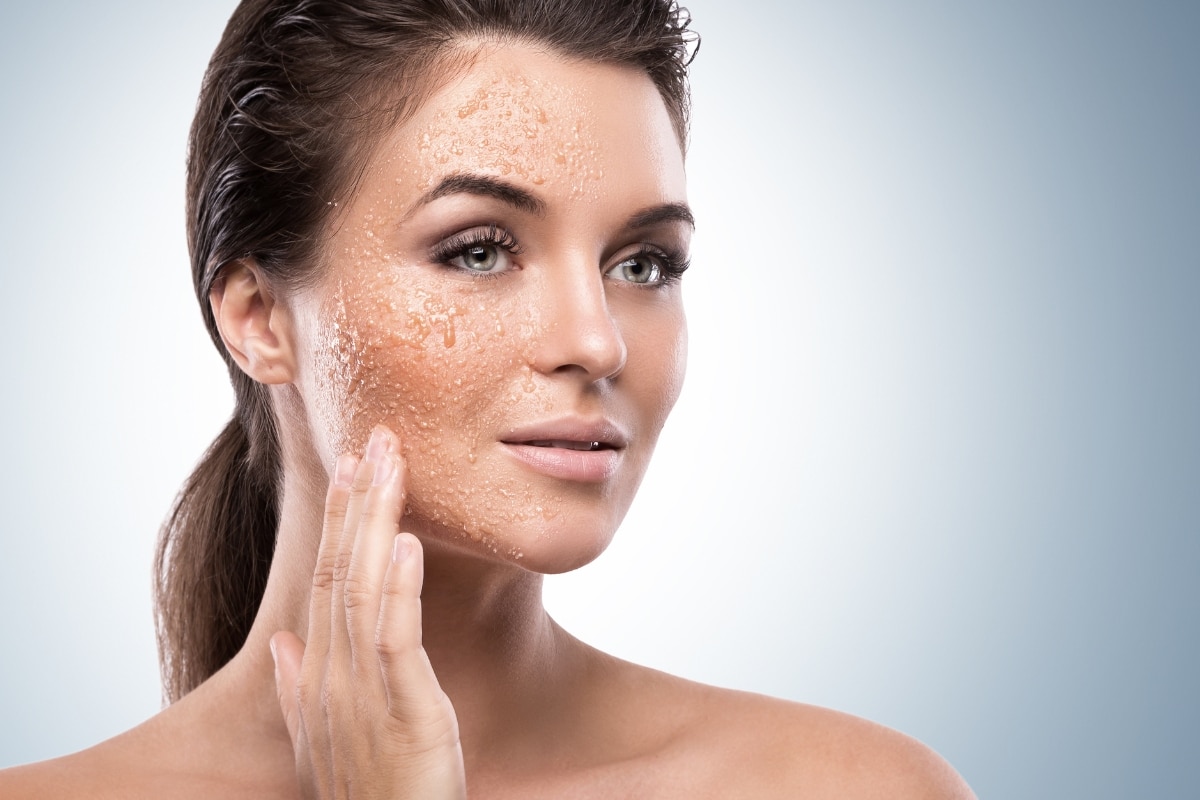
Chemical Peels: Chemical peels use a controlled solution to remove damaged outer layers of skin, encouraging new cell growth and revealing a smoother texture underneath. Peels vary in strength, so treatment plans are typically customized based on skin sensitivity and desired results.
Laser Treatments: Laser therapies target specific concerns such as sun damage, uneven pigmentation, and fine lines. These treatments work by promoting collagen remodeling beneath the surface of the skin, which can lead to firmer, more even-toned results over several sessions.
Injectable Treatments: For deeper wrinkles or volume loss, injectable options can smooth lines and restore fullness in areas like the cheeks and around the mouth. These treatments are typically quick, with minimal downtime for most patients.
Microneedling: This technique creates controlled micro-injuries in the skin to trigger the body’s natural healing response, which boosts collagen and elastin production. Microneedling is often paired with serums to enhance absorption and results.
What to Expect During a Consultation
Before beginning any anti-aging therapy, a consultation allows for a closer look at your skin’s condition, concerns, and goals. During this visit, your provider will typically review your medical history, discuss your daily skin care routine, and evaluate factors such as sun exposure and lifestyle habits that may be contributing to visible aging.
From there, a treatment plan can be built around your specific needs. Some people benefit from a single therapy, while others achieve better results through a combination approach. Because skin responds differently from person to person, ongoing evaluation throughout treatment helps ensure the plan continues to align with your goals.
Taking the Next Step
If you are exploring anti-aging therapies in Bloomington, the Dermatology & Skin Cancer Center provides a range of options designed around individual skin concerns and goals. Scheduling a visit is a straightforward way to learn which therapies may be the best fit for your skin.
The Role of Sun Protection
No anti-aging plan is complete without daily sun protection. Ultraviolet exposure is one of the leading contributors to premature skin aging, including wrinkles, dark spots, and loss of elasticity. Applying broad-spectrum sunscreen daily, wearing protective clothing, and seeking shade during peak sun hours all play a meaningful role in preserving the results of any anti-aging therapy.
For a deeper look at how sun exposure affects skin health over time, the American Academy of Dermatology offers detailed guidance on sun protection habits that support long-term skin wellness.
Building a Long-Term Skin Care Routine
Anti-aging therapies work best when paired with a consistent daily routine. This includes gentle cleansing, regular moisturizing, and the use of products suited to your specific skin type. Avoiding smoking, staying hydrated, and eating a balanced diet also contribute to overall skin health.
Because skin needs and goals can shift over time, periodic check-ins allow adjustments to your plan as needed. This ongoing approach helps maintain results and supports healthy skin well beyond the initial treatment phase.
Aging is a natural process, but with the right combination of therapies, daily habits, and guidance, you can support skin that looks and feels its best for years to come.
Frequently Asked Questions
At what age should I start anti-aging therapies?
There is no universal starting age. Some people begin preventive care in their late twenties or early thirties, while others start once visible signs of aging appear. A consultation can help determine the right timing based on your skin.
Are anti-aging therapies painful?
Most therapies involve minimal discomfort. Options like microneedling and laser treatments may cause mild sensations, but numbing options are often available to improve comfort during the procedure.
How long do results from anti-aging therapies last?
Results vary depending on the treatment type. Topical treatments require ongoing use to maintain benefits, while procedures like laser therapy or injectables may last several months to a year before follow-up sessions are needed.
Can anti-aging therapies be combined?
Yes. Many treatment plans combine multiple therapies, such as chemical peels with topical treatments, to address different layers of skin concerns and enhance overall results.
Is downtime required after anti-aging treatments?
Downtime depends on the specific therapy. Topical treatments typically require none, while peels or laser treatments may involve a few days of redness or peeling as skin heals.