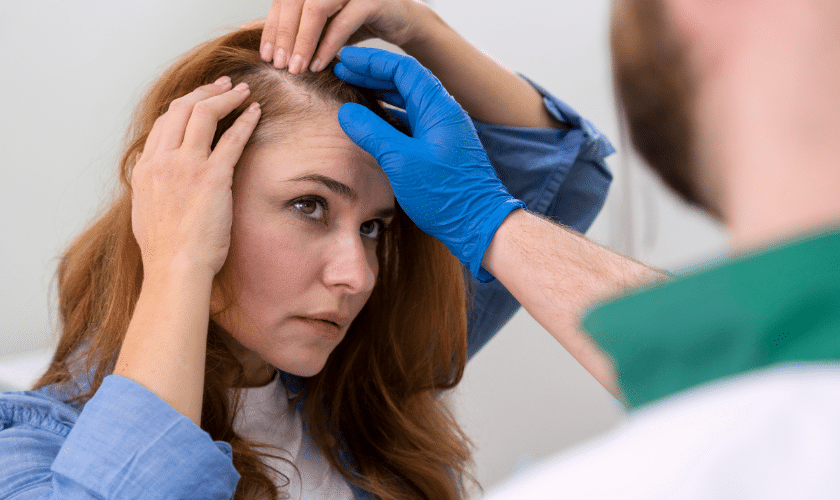
When it comes to our appearance, few things rival the importance of healthy, lustrous hair. However, maintaining optimal hair health isn’t always straightforward. Many factors, from genetics to lifestyle choices, can impact the condition of our hair. This is where medical dermatology plays a crucial role, offering specialized care and treatments to address a wide range of hair-related concerns. In this comprehensive guide, we’ll delve into the world of medical dermatology for hair health, exploring common issues, effective treatments, and expert tips to help you achieve and maintain the hair of your dreams.
Understanding the Basics
The health of your hair is intricately connected to the condition of your scalp and hair follicles. To grasp this connection fully, it’s essential to understand the hair growth cycle, which consists of three main phases:
- Anagen Phase (Growth): This is the active phase of hair growth, during which cells in the hair follicles rapidly divide, leading to the formation of new hair strands. The length of the anagen phase varies depending on factors such as genetics, age, and overall health. On average, this phase lasts between two to seven years.
- Catagen Phase (Transition): The catagen phase is a brief transitional stage that signifies the conclusion of the active growth of a hair strand. In this phase, the hair follicle contracts and separates from the dermal papilla, disrupting the blood supply to the hair. This stage usually lasts for approximately two to three weeks.
- Telogen Phase (Resting): The telogen phase is a resting phase where the hair follicle remains dormant. During this time, the old hair is shed, and a new hair begins to form. This phase can last for about three to four months before the cycle repeats itself.
Common Hair Concerns
Hair is more than just a style statement; it’s a reflection of our overall health and well-being. However, maintaining healthy hair isn’t always easy, as it can be affected by various factors, including genetics, hormones, and lifestyle choices. Understanding common hair concerns and their treatments is crucial for ensuring your locks stay luscious and vibrant. Let’s explore some of the most prevalent hair issues and how to address them effectively.
Hair Loss (Alopecia)
Hair loss, or alopecia, can be distressing and is often caused by a combination of factors, including genetics, hormonal imbalances, and autoimmune conditions. Treatments for hair loss can vary depending on the underlying cause and severity. From topical medications like minoxidil to advanced procedures like hair transplant surgery, there are options available to help you regain your confidence and fullness.
Dandruff and Scalp Conditions
Dandruff, seborrheic dermatitis, and scalp psoriasis are common scalp conditions that can lead to itchiness, flakiness, and overall discomfort. Managing these conditions often involves using medicated shampoos containing ingredients like ketoconazole or coal tar, along with topical treatments and lifestyle changes. A healthy scalp is key to healthy hair growth, so addressing these issues is essential.
Hair Thinning
Hair thinning can occur due to various reasons, including aging, hormonal changes, and underlying health conditions. Minoxidil and finasteride are two commonly prescribed medications for promoting hair growth and preventing further thinning. Additionally, incorporating nutrient-rich foods into your diet and avoiding harsh hair treatments can help maintain hair thickness.
Excessive Hair Growth (Hirsutism)
Hirsutism is a condition characterized by excessive hair growth, particularly in women, often caused by hormonal imbalances. Treatment may involve medications to regulate hormone levels or procedures like laser hair removal to reduce hair growth permanently.
Scalp Infections
Fungal and bacterial infections can disrupt the scalp’s health, leading to hair loss and other symptoms. Antifungal or antibacterial treatments are typically prescribed to eliminate the infection and promote hair regrowth. Maintaining good scalp hygiene and avoiding sharing personal items like combs and hats can help prevent these infections.
Medical Dermatology for Hair Health
Topical Medications
- Minoxidil: Minoxidil is a topical medication applied to the scalp to stimulate hair growth. It is believed to widen the hair follicles and prolong the growth phase of the hair cycle. Minoxidil is available over the counter in various strengths.
- Corticosteroids: Corticosteroid creams or ointments are sometimes prescribed to reduce inflammation and itching associated with scalp conditions like seborrheic dermatitis or psoriasis. They can help improve the health of the scalp and promote healthier hair growth.
Oral Medications
Finasteride is an oral medication that works by blocking the conversion of testosterone to dihydrotestosterone (DHT), a hormone that can shrink hair follicles. It is primarily used to treat male pattern baldness and can help prevent further hair loss and promote hair regrowth in some individuals.
Hair Transplant Surgery
Hair transplant surgery is a surgical procedure used to treat severe hair loss. During the procedure, hair follicles are taken from areas of the scalp where hair is thicker and transplanted to areas where hair is thinning or balding. This can result in a fuller, more natural-looking head of hair.
Laser Therapy (Low-Level Laser Therapy – LLLT)
It is a non-invasive treatment that uses low-level lasers or light-emitting diodes (LEDs) to stimulate hair follicles and promote hair growth. It is thought to increase blood flow to the scalp and stimulate cellular activity in the hair follicles, leading to thicker, healthier hair.
Platelet-Rich Plasma (PRP) Therapy
This involves drawing a small amount of the patient’s blood, processing it to concentrate the platelets, and then injecting the concentrated plasma into the scalp. PRP contains growth factors that can stimulate hair follicles, promote hair growth, and improve the overall health of the scalp.
Expert Tips for Healthy Hair
Maintaining healthy hair goes beyond just using the right products; it involves adopting a holistic approach that addresses both internal and external factors. Here are some expert tips to help you achieve and maintain luscious locks:
Nutrition for Hair Health
Consuming a well-rounded diet that is abundant in essential nutrients is vital for promoting healthy hair growth. Incorporating foods that are high in vitamins A, C, D, E, zinc, iron, and protein, such as eggs, fish, nuts, and leafy greens, into your meals can significantly benefit the health of your hair follicles and enhance the strength and shine of your hair.
Gentle Hair Care Practices
Steer clear of harsh chemicals and heat styling tools, as they can harm your hair. Instead, choose sulfate-free and gentle shampoos and conditioners that are appropriate for your hair type. Reduce the frequency of heat styling and apply a heat protectant spray when needed to reduce damage.
Scalp Massages for Hair Growth
Regular scalp massages can improve blood circulation to the hair follicles, promoting hair growth. Use gentle circular motions with your fingertips to massage your scalp for a few minutes each day. This not only stimulates hair growth but also helps relax the scalp muscles.
Consultation with a Dermatologist
If you’re experiencing persistent hair issues despite following a healthy hair care routine, consider consulting a dermatologist specializing in hair health. They can assess your scalp and hair condition and provide personalized recommendations and treatments to address your specific concerns.
Achieving and maintaining healthy hair requires a combination of good hair care practices, a healthy lifestyle, and, when needed, professional medical dermatology intervention. By understanding the basics of hair health, recognizing common issues, and exploring effective treatments and expert tips, you can embark on a journey to stronger, healthier hair.