
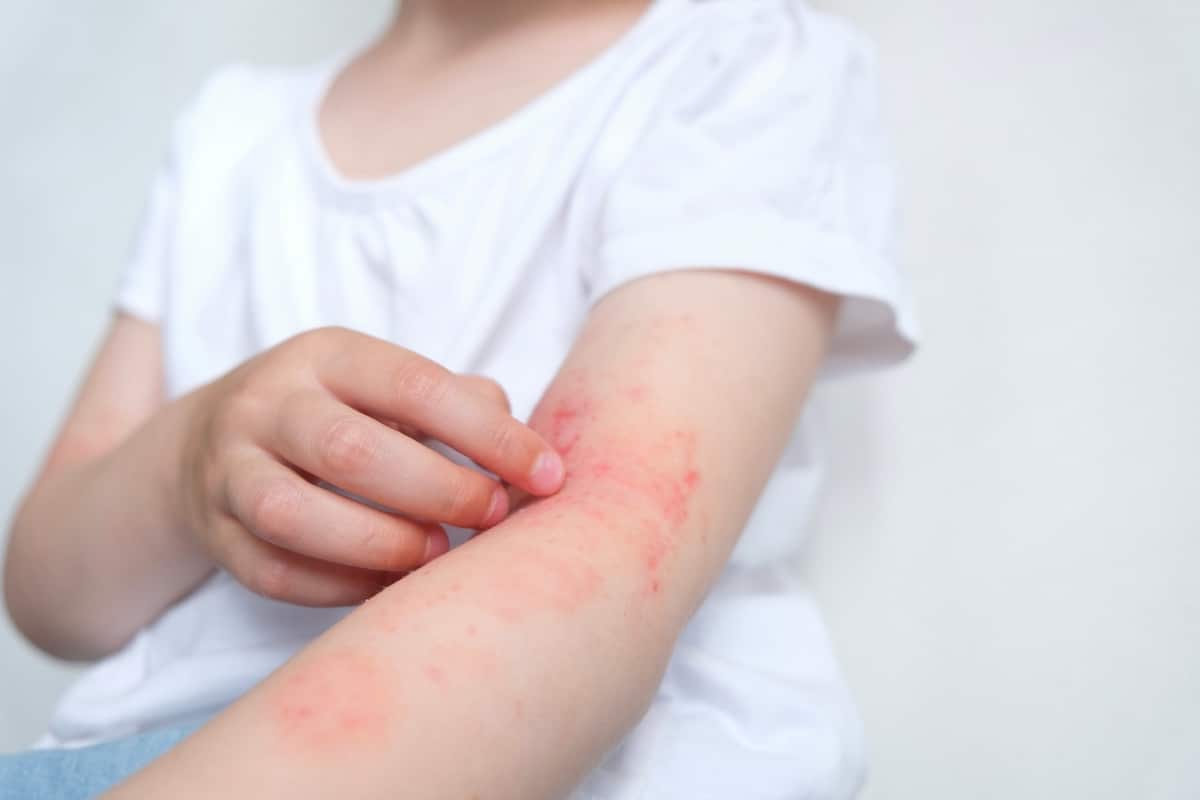
If you are unable to get rid of certain skin conditions, you are not alone. In Bloomington, IL, many people have chronic skin conditions such as fungal infections and eczema. These diseases might seem the same, but they are actually separate skin conditions. It is important to know what these conditions are and how a dermatologist can treat them.
In this blog, we’ll dive into how dermatologists treat fungal skin infections and compare them with eczema, providing you with practical, clear insights. Whether you need a diagnosis or treatment advice, understanding these conditions can help guide you toward better skin health.
Understanding Fungal Skin Infections
Did you know? Fungal skin infections are actually quite common, although many people may not be aware of this. Fungi, such as yeasts and molds, can infect the skin. They tend to grow best in warm, moist environments like the groin, armpits, or feet, and are sometimes called ‘tinea’ if they cause an infection of the skin. Common examples of fungal skin infections include athlete’s foot, ringworm, and yeast infections.
A dermatologist in Bloomington, IL, usually treats fungal infections with antifungal medications, either orally or topically (as powders, sprays, or creams). The mode of administration and the length of treatment depend on the severity of the infection.
Symptoms of Fungal Infections:
- Red, itchy, or scaly patches on the skin
- Circular rashes with raised edges (ringworm)
- Cracked, peeling skin, often between toes (athlete’s foot)
- Pus-filled blisters (often in more severe cases)
Treatment for fungal infections focuses on eliminating fungal growth and preventing its spread. Topical antifungals, like clotrimazole or terbinafine, are typically applied to the affected areas. If the infection is more widespread, oral medications may be prescribed.
Eczema: The Misunderstood Condition
Eczema, also called atopic dermatitis, is an inflammatory skin disease that causes itching and skin irritation. Fungi do not cause eczema, but a body‘s unbalanced immune system can attack healthy skin cells. This results in skin irritation. Eczema regularly occurs in children.
Although the condition in itself is lifelong, flare-ups can be a symptom that the eczema is being affected by its triggers (e.g., allergens, stress, foodstuffs, or climatic changes, especially the cold, dry air of Bloomington winters).
Symptoms of Eczema:
- Dry, red, or inflamed skin
- Itchy patches, often on the elbows, knees, and face
- Thickened or leathery skin over time
- Blisters or oozing skin during flare-ups
Eczema treatment commonly includes a combination of topical agents, such as corticosteroid creams, antihistamines to control itching, and moisturizers to hydrate the skin. In more severe cases, systemic therapies like oral steroids or biologics are also often used to help prevent flare-ups.
Fungal vs Eczema: Their Difference in Cause and Treatment
Fungus and eczema may produce similar symptoms of itchiness, irritation, and discomfort on the skin. Still, these two skin diseases differ significantly in their causes and treatments. Here’s a summary of their key differences.
Fungal infections are caused by external agents (such as fungi), whereas eczema occurs when the body mounts an inflammatory response to allergens or irritants (e.g., allergies); therefore, the treatments for each are very different. Fungal infections are treated with antifungal treatments, while eczema is treated with topical (anti-inflammatory) medications or injections.
When To Go To a Dermatologist
If you have ongoing skin problems that are not improving with over-the-counter treatments, it is advisable to see a dermatologist in Bloomington, IL, for an accurate diagnosis and appropriate treatment. If you have a fungal infection or eczema and want to know the best plan, the correct diagnosis will determine the most effective treatment for your particular skin problem.
To diagnose fungal infections, dermatologists often perform a skin scraping from the infected area to determine the type of fungus present. Dermatologists will inquire about the family history of eczema. They may perform patch testing to determine whether or not eczema results from contact with irritants or an allergic reaction. However, they can often diagnose eczema by asking you questions and observing your skin.
Preventing Fungal Infections and Managing Eczema
Preventing fungal infections and managing eczema share many similarities. Both conditions require proactive management to prevent flare-ups and further skin irritation. Below are some things you can do to help stop fungal infections and manage your eczema:
Preventing Fungal Infections:
- Keep the skin clean and dry, especially warm and humid areas of the body.
- Wear loose-fitting, breathable clothes.
- Do not share towels, shoes, or other personal items.
- Use antifungal powders if you are prone to athlete’s foot or other fungal infections.
Managing Eczema:
- Use a mild, unscented soap to avoid further skin irritation.
- Moisturize frequently to lock in moisture.
- Identify and avoid triggers, including allergens or stress.
- Use prescribed topical medications as directed by your dermatologist.
Get Professional Help from Your Dermatologist
If you have any skin health concerns, whether you are suffering from a fungal infection or eczema, getting the correct diagnosis and treatment plan is critical to your recovery. If you have a recurring skin issue, call your dermatologist in Bloomington, IL, today to book an appointment.
Contact Dermatology and Skin Cancer Center Today
If you’re unsure whether you’re dealing with a fungal infection or eczema, or if you’re looking for the right treatment options, don’t hesitate to reach out. At Dermatology and Skin Cancer Center, we specialize in diagnosing and treating a range of skin conditions to help you achieve healthier, more comfortable skin.
Common Questions People Ask
- What is the best treatment for a fungal infection?
Treatment often involves antifungal creams or oral medications. The choice depends on the severity and location of the infection.
- Can eczema be cured?
Eczema is a chronic condition that cannot be fully cured, but it can be managed with proper treatment, including moisturizers and prescribed topical medications.
- How do I know if I have eczema or a fungal infection?
If your skin is itchy, dry, and inflamed, it may be eczema. Fungal infections often cause red, scaly patches and can be diagnosed by a dermatologist.
- Are fungal infections contagious?
Yes, some fungal infections, such as athlete’s foot and ringworm, can be contagious through direct skin contact or through shared items.