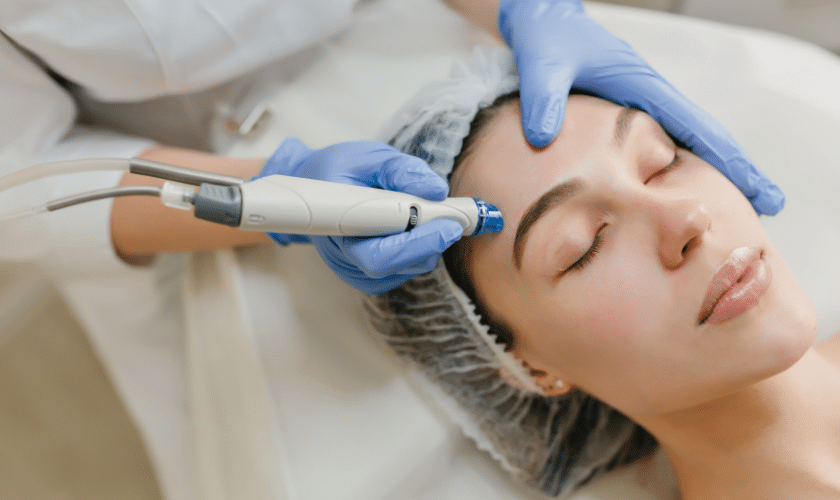
Welcome to the world of cosmetic dermatology, where science and beauty collide! In today’s society, it’s no secret that appearances matter. We all want to look our best and feel confident in our skin. That’s where cosmetic dermatology comes into play – a field dedicated to enhancing and improving your natural features through non-invasive procedures.
But wait, before you get swept away by popular misconceptions about cosmetic dermatology, let’s take a moment to separate fact from fiction. This blog post will debunk some of the most common myths surrounding this fascinating branch of medicine. So, let’s dive deep into the truth behind cosmetic dermatology!
Misconception 1: Cosmetic Dermatology Is Only for Celebrities
One common misconception about cosmetic dermatology is that it’s exclusively for celebrities or the wealthy elite. In reality, cosmetic dermatology is accessible to people from all walks of life. Dermatologists offer various treatments at various price points, making it possible for anyone to explore cosmetic procedures and address their specific concerns.
Misconception 2: Cosmetic Procedures Look Unnatural
Another prevalent misconception is the fear of looking unnatural or “overdone” after cosmetic treatments. While there may be extreme transformations in the media, the reality is that modern cosmetic dermatology emphasizes natural results. Skilled dermatologists aim to enhance your features subtly so you look like the best version of yourself, not someone completely different.
Misconception 3: Cosmetic Procedures Are Painful and Require Lengthy Recovery
Many people believe that cosmetic procedures are painful and involve extended downtime. While some treatments may cause mild discomfort, most are well-tolerated, and any discomfort is typically short-lived. Additionally, recovery times vary by procedure, with many allowing immediate return to daily activities.
Misconception 4: Cosmetic Dermatology Is Only for Aging Skin
Cosmetic dermatology is often associated with anti-aging treatments but offers much more. It caters to many concerns, including acne scars, skin texture, pigmentation issues, etc. People of all ages can benefit from cosmetic dermatology, not just those seeking anti-aging solutions.
Misconception 5: All Dermatologists Are Equally Skilled in Cosmetic Procedures
Not all dermatologists have the same level of expertise in cosmetic dermatology. Specialization and training in cosmetic procedures vary among practitioners. Choosing a board-certified dermatologist with specific experience in the treatments you’re interested in is essential to ensure safe and effective results.
Misconception 6: Results Are Immediate and Permanent
While some cosmetic treatments provide near-instant results, many require time for the full effects to appear. Additionally, most cosmetic procedures are not permanent and may require maintenance sessions to sustain the desired outcome. Your dermatologist will discuss the expected timeline and maintenance requirements during your consultation.
Misconception 7: Cosmetic Procedures Are Risk-Free
No medical procedure is entirely risk-free; the same applies to cosmetic dermatology. However, the risks associated with these treatments are typically minimal when performed by trained professionals. Prioritize safety by choosing a reputable and experienced dermatologist and following post-treatment care instructions diligently.
Misconception 8: All Fillers and Injectables Are the Same
It’s a misconception to assume that all dermal fillers and injectables are interchangeable. The market offers various products, each designed for specific purposes and areas of the face. Your dermatologist will select the appropriate product based on your unique needs and goals.
Misconception 9: Cosmetic Dermatology Is Only for Women
Cosmetic dermatology is not limited to one gender. Many men seek cosmetic procedures to address wrinkles, hair loss, and skin imperfections. The field is inclusive, catering to individuals of all genders.
Misconception 10: It’s Vanity to Pursue Cosmetic Dermatology
Another misconception is that pursuing cosmetic dermatology is purely about vanity. In reality, many individuals turn to cosmetic procedures to address specific concerns that impact their self-esteem and quality of life. Feeling confident in one’s appearance can positively impact mental and emotional well-being.
Misconception 11: You Can Achieve the Same Results at Home
While numerous skincare products are available for home use, they often provide limited results compared to professional treatments. Cosmetic dermatology procedures are performed by trained experts using advanced technology and medical-grade products, offering superior and more targeted outcomes.
Misconception 12: Cosmetic Dermatology Is Expensive and Inaccessible
While some cosmetic procedures can be costly, affordable options are also available. Many dermatologists offer various pricing tiers to accommodate different budgets. Discussing your budget and expectations with your dermatologist to find a suitable treatment plan is essential.
Misconception 13: Cosmetic Dermatology Is a One-Size-Fits-All Solution
Cosmetic dermatology is highly individualized. What works for one person may not work for another. Dermatologists tailor treatment plans to your skin type, concerns, and goals, ensuring a personalized approach that addresses your unique needs.
Misconception 14: You Must Choose Between Natural or Cosmetic Solutions
Cosmetic dermatology is not an either-or choice between natural and cosmetic solutions. Many individuals combine both, incorporating cosmetic procedures into their skincare routines to complement their natural beauty.
Cosmetic dermatology is a rapidly evolving field that offers a wide range of safe and effective treatments to enhance your appearance and boost your self-confidence. It’s important to base your decisions on accurate information and consult a qualified dermatologist to address your unique needs and goals. By debunking these misconceptions, we hope to empower you to make informed choices about cosmetic dermatology that align with your personal preferences and aspirations for a healthier, more confident you.