Forehead wrinkles are a natural part of aging, but that does not mean you have to ignore them if they bother you. You may notice horizontal lines when raising your eyebrows or see creases that remain visible even when your face is relaxed. These changes can develop gradually as facial muscles move repeatedly and the skin loses some of its elasticity.
Botox is a nonsurgical cosmetic treatment that can temporarily soften certain forehead wrinkles by relaxing targeted muscles. For people who want a smoother-looking forehead without surgery, it may be worth discussing with a qualified dermatology provider.
If you are considering Botox, understanding how the treatment works, what results to expect, and how to choose the right provider can help you make an informed decision. Here is what Bloomington patients should know before scheduling a consultation.
What Causes Forehead Wrinkles?
Forehead wrinkles develop for several reasons, including repeated facial expressions, natural skin aging, and environmental exposure. Understanding these factors helps explain why some wrinkles respond better to Botox than others.
Repeated Facial Movements
The frontalis muscle helps raise your eyebrows. Every time you express surprise, emphasize a point, or lift your eyebrows, this muscle contracts and creates horizontal lines across your forehead.
Initially, these lines may appear only when you make facial expressions. Over time, repeated muscle movement and changes in the skin can make them more noticeable even when your face is at rest.
Natural Aging and Collagen Loss
Collagen and elastin help keep skin firm and flexible. As you age, your body gradually produces less collagen, and your skin may become less resilient. This can make existing wrinkles more pronounced.
Sun Exposure and Other Lifestyle Factors
Exposure to ultraviolet (UV) radiation contributes to premature skin aging. Smoking and inadequate sun protection can also affect skin health. Although Botox can address wrinkles associated with muscle movement, it does not reverse every sign of aging or repair all sun-related skin damage.
How Does Botox Help Reduce Forehead Wrinkles?
Botox is an injectable treatment containing onabotulinumtoxinA, a purified form of botulinum toxin. It temporarily blocks the nerve signals that cause targeted muscles to contract.
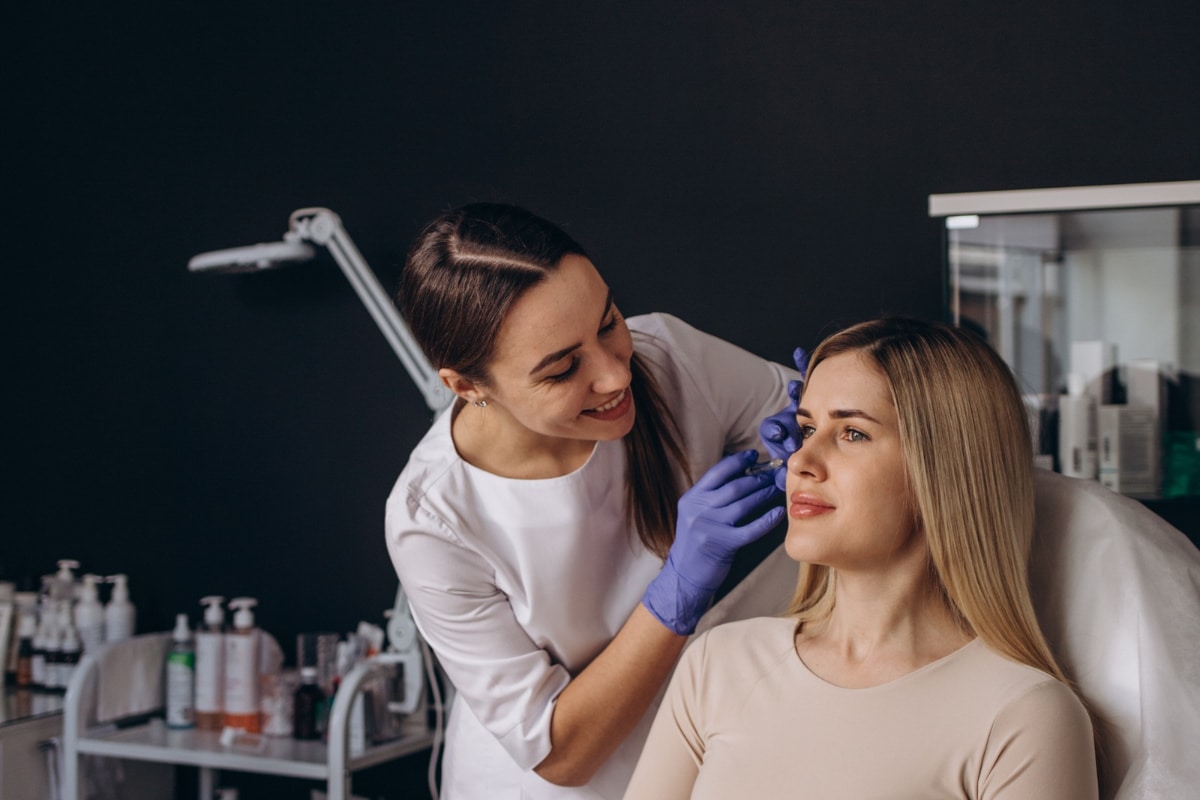
When injected into carefully selected muscles, Botox reduces their activity. This allows the overlying skin to appear smoother and can make certain forehead wrinkles less noticeable.
The treatment is particularly relevant for dynamic wrinkles, which appear or become more pronounced when you move your facial muscles. Deeper lines that remain visible when your face is relaxed may also improve, but they may not disappear completely.
A personalized treatment plan is important because the forehead muscles play a role in raising the eyebrows. Your provider must consider your facial anatomy, muscle strength, existing eyebrow position, and desired results to help achieve a balanced appearance.
Botox does not permanently eliminate wrinkles or stop the natural aging process. Its effects gradually wear off as normal muscle activity returns.
Is Botox a Good Option for Forehead Wrinkles in Bloomington?
If you are exploring Botox Bloomington services, Dermatology and Skin Cancer Center offers Botox as part of its cosmetic dermatology services. A consultation can help you understand whether treatment may suit your concerns, skin condition, and aesthetic goals.
Botox may be appropriate for adults who want to soften forehead lines caused by repeated muscle movement. However, not everyone will benefit equally, and treatment recommendations should be based on an individual assessment.
During your consultation, your provider may evaluate your forehead while your face is relaxed and while you raise your eyebrows. They can discuss the appearance of your wrinkles, review your medical history, and explain the likely benefits and limitations of treatment.
If your forehead lines are deep or related primarily to changes in skin quality, your provider may discuss other options that could complement or better address your concerns.
The goal is to choose an approach that suits your needs rather than pursue a one-size-fits-all result. Asking questions about treatment expectations, potential risks, and costs can help you decide whether to proceed.
What Does the American Academy of Dermatology Say About Botox?
The American Academy of Dermatology (AAD) explains that botulinum toxin injections temporarily relax targeted muscles to reduce the appearance of certain facial lines and wrinkles. The AAD also emphasizes the importance of consulting a qualified dermatologist and understanding the procedure before treatment.
Read the AAD’s Botulinum Toxin Therapy: Frequently Asked Questions for information about preparation, expected results, possible side effects, and aftercare.
This guidance can help you prepare for a consultation and discuss whether Botox is appropriate for your forehead wrinkles.
What Results Can You Expect From Forehead Botox?
Botox does not produce its full effect immediately. Results develop over several days as the targeted muscles gradually relax.
Many patients begin to notice improvement within three to seven days, although individual experiences vary. The full effect may take approximately two weeks to become apparent.
The aim is to reduce the appearance of forehead wrinkles while maintaining a natural-looking expression. Your results will depend on factors such as muscle activity, skin condition, treatment technique, and the severity of existing lines.
How Long Does Forehead Botox Last?
The effects of Botox generally last around three to four months, although the duration varies from person to person. As the treatment wears off, muscle activity gradually returns and forehead lines may become noticeable again.
If you want to maintain your results, your provider can discuss whether repeat treatments are appropriate and how frequently they should be scheduled. Avoid scheduling additional injections sooner than recommended.
Will Botox Make Your Forehead Look Frozen?
Botox does not have to eliminate all facial movement. A treatment plan tailored to your anatomy and goals can help reduce unwanted lines while preserving an appropriate degree of expression.
However, excessive weakening of the forehead muscles can affect eyebrow position and facial movement. Discuss your preference for natural-looking results with your provider before treatment.
What Should You Know Before Getting Botox?
Understanding the risks and preparation requirements is an important part of deciding whether Botox is right for you.
Possible Side Effects
Common side effects include temporary redness, swelling, soreness, or bruising around injection sites. Some patients experience headaches, while temporary eyebrow or eyelid drooping can occur less commonly.
Serious complications are rare but possible. Seek immediate medical attention if you experience difficulty breathing, swallowing, or speaking after treatment.
Share Your Medical History
Before receiving Botox, tell your provider about your medical conditions, allergies, previous cosmetic treatments, and all medications or supplements you take. Certain conditions and medications may affect your suitability for treatment.
People who are pregnant or breastfeeding should discuss the limited safety information for cosmetic Botox use with their healthcare professional. Treatment should also be avoided when there is an infection at the intended injection site.
Choose a Qualified Provider
Botox injections require knowledge of facial anatomy and appropriate injection techniques. Choose a qualified, appropriately licensed medical professional who can assess your needs, explain potential risks, and provide treatment in a suitable medical setting.
Avoid injections from unverified sources or nonmedical settings. Ask who will administer the treatment, what qualifications they hold, and what follow-up support is available.
How Can You Maintain Healthier-Looking Skin After Botox?
Although Botox can temporarily soften muscle-related wrinkles, a consistent skin care routine remains important for overall skin health.
- Apply sunscreen daily. Use broad-spectrum sunscreen with SPF 30 or higher and reapply as directed.
- Moisturize regularly. A suitable moisturizer helps maintain hydration and can improve the appearance of dry, fine lines.
- Follow aftercare instructions. Your provider may advise you not to rub or massage treated areas and to follow specific activity recommendations after injections.
- Avoid smoking. Smoking can contribute to premature skin aging and affect overall skin health.
- Maintain realistic expectations. Botox addresses certain muscle-related wrinkles but does not replace sun protection or other skin care measures.
These habits can support healthier-looking skin, although they cannot prevent every wrinkle or guarantee that treatment results will last longer.
Explore Botox Treatment at Dermatology and Skin Cancer Center
Forehead wrinkles are common, but your approach to treating them should reflect your individual concerns and goals. Botox may help soften lines caused by repeated facial movements, offering a nonsurgical option for people seeking a smoother-looking forehead.
Dermatology and Skin Cancer Center offers cosmetic dermatology services, including Botox. A consultation can help you understand your options, discuss expected results, and determine whether treatment is appropriate for you.
If you are considering Botox in Bloomington, Illinois, contact Dermatology and Skin Cancer Center at 309-533-7070 to inquire about scheduling a consultation. Take the next step toward an informed, personalized approach to your skin care goals.
Frequently Asked Questions
1. Can Botox completely remove forehead wrinkles?
Botox can temporarily soften forehead wrinkles caused by repeated muscle movement. Deeper lines that remain visible when your face is relaxed may not disappear completely. Results depend on your skin, facial anatomy, and treatment plan.
2. How soon will I see results from forehead Botox?
Some patients notice improvement within three to seven days, with the full effect becoming apparent in approximately two weeks. Individual results and timelines vary.
3. How long does Botox last on the forehead?
Results typically last around three to four months, although some people experience shorter or longer effects. Your provider can advise you about appropriate follow-up treatment.
4. Is Botox safe for forehead wrinkles?
Botox is an established cosmetic treatment when administered appropriately by a qualified medical professional. However, side effects and complications can occur. Discuss your medical history, medications, and concerns before proceeding.
5. Can I prevent forehead wrinkles from getting worse after Botox?
Daily sun protection, regular moisturizing, and avoiding smoking can support skin health. Botox temporarily reduces targeted muscle activity but does not stop natural aging. Consistent skin care and professional guidance can help you make informed decisions about ongoing treatment.