
Scars tell stories—of childhood adventures, surgical recoveries, or perhaps a small mishap in the kitchen. While some wear these marks as badges of honor, others may prefer a smoother, clearer complexion. Scar reduction treatment offers an opportunity to minimize the appearance of scars, blending them seamlessly into the surrounding skin. But what exactly does this process entail? Let’s dive deeper into the world of scar reduction treatments, exploring the methods available, the science behind them, and what you can expect on your journey to reclaiming your skin.
Understanding Scars: Why They Form and How They Differ
Before diving into treatments, it’s crucial to understand what scars are and why they form. A scar is the body’s natural way of healing and replacing lost or damaged skin. They form when the skin heals after an injury, but the new tissue doesn’t exactly match the surrounding skin. The result is a mark or line that stands out against the rest of the skin, often varying in color, texture, or both.
Types of Scars
- Hypertrophic Scars: These are raised, red scars that stay within the boundaries of the original injury.
- Keloid Scars: Similar to hypertrophic scars but more severe, keloids can grow beyond the original wound area and may become larger over time.
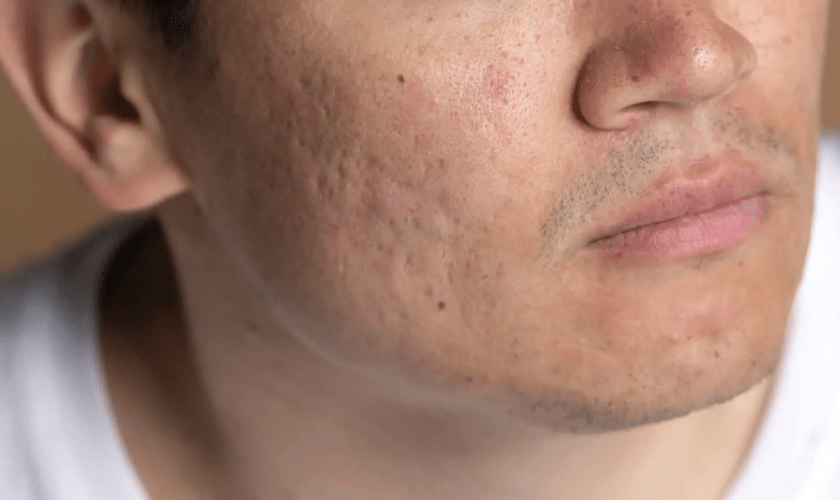
- Atrophic Scars: These appear as depressions or indentations in the skin, often caused by conditions like acne or chickenpox.
- Contracture Scars: These occur when the skin tightens during the healing process, often resulting from burns.
Each type of scar has unique characteristics, and as a result, different approaches are needed for effective treatment.
Scar Reduction Treatment: What Are Your Options?
Scar reduction treatments aim to improve the appearance of scars by making them less noticeable. While complete scar removal isn’t possible, these treatments can significantly minimize their appearance. The choice of treatment depends on the type of scar, its location, and your skin type.
1. Topical Treatments
For mild scars, over-the-counter or prescription creams, ointments, or gels can be effective. These products often contain ingredients like silicone, corticosteroids, or retinoids, which help flatten raised scars, reduce redness, and promote new skin cell growth.
Pros:
Non-invasive
Easy to use
Cost-effective
Cons:
Requires consistent application over time
Limited effectiveness on severe scars
2. Laser Therapy
Laser therapy is a popular option for reducing the appearance of scars. It works by targeting the pigment in the scar tissue, breaking it down, and stimulating the growth of new, healthy skin cells. There are different types of laser treatments, including ablative (which removes the outer layers of skin) and non-ablative (which works beneath the surface).
Pros:
Effective on various types of scars
Minimal downtime
Non-invasive
Cons:
Requires multiple sessions
Can be expensive
Risk of temporary side effects like redness or swelling
3. Microneedling
Microneedling involves using tiny needles to create micro-injuries in the skin. This process triggers the body’s natural healing response, producing collagen and elastin, which help improve skin texture and reduce the appearance of scars. Microneedling is particularly effective for acne scars and other atrophic scars.
Pros:
Boosts collagen production
Improves skin texture
Minimally invasive
Cons:
Multiple sessions required
Can cause temporary redness or discomfort
4. Chemical Peels
Chemical peels use a solution to exfoliate the top layers of skin, revealing smoother, less scarred skin beneath. Depending on the severity of the scar, different strengths of peels can be used. Superficial peels work well for mild scars, while deeper peels may be needed for more pronounced scarring.
Pros:
Enhances overall skin tone and texture
Can address multiple skin concerns at once
Non-invasive
Cons:
Possible side effects include redness and peeling
May require multiple sessions
Not suitable for all skin types
5. Steroid Injections
Steroid injections are commonly used for hypertrophic and keloid scars. The steroids work by reducing inflammation and flattening the scar tissue. These injections are often used in combination with other treatments like laser therapy or surgery.
Pros:
Effective for raised scars
Quick procedure
Can be combined with other treatments
Cons:
Multiple injections may be required
Risk of skin thinning or discoloration
6. Surgical Scar Revision
For severe scars, surgical revision may be the best option. This procedure involves removing the scar tissue and carefully closing the wound to create a less noticeable scar. In some cases, skin grafts or tissue expansion techniques are used to improve the results.
Pros:
Highly effective for deep or large scars
Can provide dramatic results
Often a one-time procedure
Cons:
Invasive
Requires recovery time
Potential for new scarring
What to Expect During Scar Reduction Treatment
The journey to reducing scars begins with a consultation with a dermatologist or plastic surgeon. During this appointment, the doctor will assess your scar, discuss your goals, and recommend the best treatment options. Here’s what you can generally expect during the process:
- Consultation: Your provider will evaluate the scar’s size, type, and location. They’ll also discuss your medical history and any previous treatments you’ve tried.
- Treatment Plan: Based on the assessment, a personalized treatment plan will be created. This plan may include one or more of the treatments mentioned above, depending on the nature of your scar.
- Procedure: Whether it’s a topical treatment, laser therapy, or surgery, your provider will guide you through the procedure, explaining what will happen and what you need to do afterward.
- Recovery: Recovery times vary depending on the treatment. Non-invasive treatments like creams or laser therapy may have minimal downtime, while surgical options will require more recovery time.
- Follow-Up: Regular follow-up appointments ensure that the treatment is progressing as expected. Adjustments may be made based on your skin’s response.
The Emotional Impact of Scar Reduction
Beyond the physical improvements, scar reduction can have a profound emotional impact. Scars, especially those in visible areas, can affect self-esteem and confidence. For many, reducing the appearance of a scar is about more than aesthetics—it’s about reclaiming a sense of normalcy and feeling comfortable in their skin again.
Scar reduction treatments can empower individuals to move forward, leaving behind the reminders of a difficult experience and embracing a renewed sense of self.
Scar reduction treatment offers hope for those looking to minimize the appearance of scars. With a variety of options available, from topical treatments to surgical procedures, there’s a solution for nearly every type of scar. While no treatment can completely erase a scar, these methods can significantly improve its appearance, helping you feel more confident and at ease in your own skin.
If you’re considering scar reduction, consult with a dermatologist or plastic surgeon to explore the best options for your unique situation. Remember, the goal isn’t perfection but progress—toward smoother, clearer skin that reflects the beauty of your journey.
FAQs
- How long does it take to see results from scar reduction treatments?
Results vary depending on the treatment type. Topical treatments may take several months, while laser therapy or microneedling may show improvements after a few sessions. - Are scar reduction treatments painful?
Some treatments, like laser therapy or microneedling, may cause mild discomfort. Topical treatments are generally painless, while surgical options may require anesthesia. - Can all scars be treated with reduction methods?
Most scars can be treated, but the effectiveness depends on the scar type, size, and age. Some scars may respond better to specific treatments. - Is laser therapy safe for all skin types?
While laser therapy is generally safe, certain skin types may be more prone to side effects like hyperpigmentation. It’s important to consult a dermatologist to determine the best treatment for your skin type. - How much does scar reduction treatment cost?
Costs vary widely depending on the treatment. Topical treatments are the least expensive, while laser therapy and surgical options can be more costly. - Can scar reduction treatment prevent new scars from forming?
These treatments focus on reducing existing scars. Preventing new scars involves proper wound care, avoiding sun exposure, and using silicone sheets or gels on healing wounds. - What is the best treatment for acne scars?
Microneedling, chemical peels, and laser therapy are commonly recommended for acne scars. The choice depends on the severity and type of acne scars.