Choosing the right surgeon for your dermatological procedure! When it comes to something as important as your skin, finding a skilled and experienced surgeon is crucial. Whether you’re considering a surgical or non-surgical treatment, selecting the right professional can make all the difference in achieving optimal results.
In this article, we’ll guide you through the process of choosing a surgeon who specializes in surgical dermatology. We’ll explore what qualities to look for, discuss different types of dermatological procedures, weigh surgery versus non-surgical options, and delve into post-operative care. So let’s dive in and discover how you can ensure that you’re putting your skin health in capable hands!
What to Look For In a Surgeon
When it comes to selecting a surgeon for your dermatological procedure, there are several key factors to consider. First and foremost, you’ll want to ensure that the surgeon is board-certified in dermatology or a related field. This certification indicates that they have undergone rigorous training and have met high standards of expertise.
Experience is another crucial aspect to look for in a surgeon. You’ll want someone who has performed numerous procedures similar to yours and has a track record of successful outcomes. Don’t hesitate to ask about their experience specifically with the procedure you’re considering.
It’s also important to find a surgeon who takes the time to listen and understand your goals and concerns. A good surgeon should be able to communicate effectively, explain the procedure in detail, and address any questions or doubts you may have.
Additionally, consider seeking referrals or reading reviews from previous patients. Hearing about others’ experiences can give you valuable insights into the surgeon’s skills, bedside manner, and overall patient satisfaction.
Trust your instincts when meeting with potential surgeons. If something feels off or if you don’t feel comfortable during your consultation, it may be best to continue searching for someone who instills confidence and puts you at ease.
Remember, finding the right surgeon is an essential step toward achieving optimal results for your dermatological procedure. Take your time researching different options until you find one that meets all of these criteria!
Types of Dermatological Procedures
When it comes to dermatological procedures, there is a wide range of options available to address various skin concerns. Whether you’re looking to rejuvenate your skin, remove unwanted hair, or treat a specific condition like acne or rosacea, there is likely a procedure that can help.
One common type of dermatological procedure is laser therapy. This non-invasive treatment uses targeted beams of light to address issues such as wrinkles, sun damage, and pigmentation irregularities. Another popular option is chemical peels, which involve applying a solution to the skin in order to exfoliate and improve its texture and appearance.
For those seeking more dramatic results, surgical procedures may be considered. These can include facelifts, blepharoplasty (eyelid surgery), or liposuction for body contouring. Surgical procedures typically require downtime for recovery but can provide long-lasting effects.
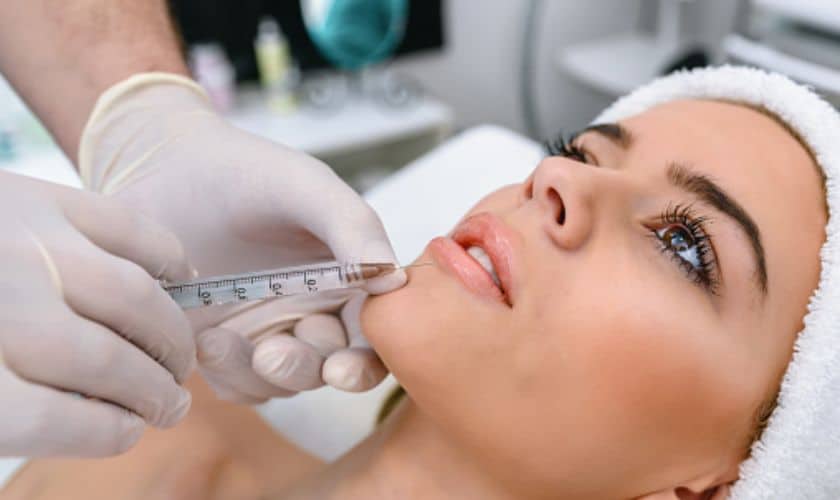
In addition to these treatments, there are also various injectable options available such as Botox and dermal fillers. These minimally invasive procedures can help reduce the appearance of fine lines and wrinkles or restore lost volume in areas like the cheeks or lips.
It’s important to consult with a qualified dermatologist who specializes in surgical dermatology before deciding on any procedure. They will be able to assess your individual needs and goals and recommend the most suitable treatment option for you.
Remember that each person’s skin is unique, so what works well for one individual may not necessarily work for another. By choosing an experienced surgeon who understands your specific concerns and has expertise in the desired procedure(s), you can increase your chances of achieving optimal results while minimizing potential risks.
Surgery versus Non-Surgical Treatment
When it comes to dermatological procedures, patients often have a choice between surgical and non-surgical treatments. Each option has its own benefits and considerations, so it’s important to understand the differences before making a decision.
Surgical dermatology involves invasive procedures that require incisions or the removal of tissue. This can include surgeries such as skin grafting, mole removal, or scar revision. These procedures are typically performed by a trained surgeon in a controlled environment like an operating room.
Non-surgical treatments, on the other hand, are less invasive and do not require incisions or significant downtime for recovery. These treatments may involve the use of lasers, chemical peels, injectables like Botox or fillers, or topical creams. Non-surgical options are often preferred for their minimal discomfort and shorter recovery periods.
The choice between surgery and non-surgical treatment depends on various factors including the specific condition being treated, patient preferences, desired outcomes, and overall health. While some conditions may require surgery for effective results (such as skin cancer removal), others may respond well to non-invasive options (like reducing fine lines and wrinkles).
It is essential to consult with a qualified dermatologist who specializes in both surgical and non-surgical procedures. They will assess your individual needs and recommend the most suitable treatment plan based on your goals.
Remember that each person’s situation is unique; what works best for one patient may not be ideal for another. By working closely with your dermatologist to understand all available options – both surgical and non-surgical – you can make an informed decision about which approach is right for you
Post-Operative Care
After undergoing a surgical dermatological procedure, proper post-operative care is crucial for ensuring optimal results and minimizing complications. The recovery process plays a significant role in the overall success of the surgery. Here are some important aspects to consider when it comes to post-operative care.
It’s essential to follow your surgeon’s instructions regarding wound care. This may include keeping the incision site clean and dry, applying any prescribed medications or ointments, and changing dressings as directed.
In addition to wound care, you should also pay attention to managing pain and discomfort. Your surgeon may recommend over-the-counter pain relievers or prescribe medication if necessary. It’s important not to ignore any signs of excessive pain or infection during the healing process.
Furthermore, protecting your skin from sun exposure is vital after a dermatological procedure. Sunscreen with a high SPF should be applied regularly, even on cloudy days. Wearing protective clothing such as wide-brimmed hats can also help shield sensitive areas from harmful UV rays.
Maintaining good overall health through proper nutrition and hydration can support the healing process. Eating nutrient-rich foods and staying hydrated can aid in tissue repair and promote faster recovery.
Remember that every individual’s recovery may vary depending on the specific procedure performed. It is crucial always to consult with your surgeon for personalized post-operative care instructions tailored to your needs.
Choosing the right surgeon for your dermatological procedure is a crucial step toward achieving the results you desire. With surgical dermatology becoming increasingly popular, it’s important to take the time to research and select a qualified and experienced professional who can meet your specific needs.
When searching for a surgeon, look for someone who has a stellar reputation, extensive training in dermatological surgery, and relevant certifications or affiliations with reputable organizations. Take advantage of online resources such as reviews and testimonials from previous patients to gauge their satisfaction levels and overall experience.
Consider the types of dermatological procedures offered by different surgeons. Whether you’re seeking treatment for skin cancer removal, scar revision, or facial rejuvenation, finding a specialist in your desired procedure can greatly increase your chances of obtaining optimal results.
It’s also worth exploring non-surgical treatment options before committing to surgery. Advances in technology have provided us with various minimally invasive techniques that can deliver impressive outcomes without the need for incisions or lengthy recovery periods.
Post-operative care is another essential aspect to consider when selecting a surgeon. A skilled practitioner will provide detailed instructions on how to care for your skin after the procedure, ensuring proper healing and minimizing any potential complications.
In conclusion (without using “in conclusion”), choosing the right surgeon requires careful consideration of their qualifications, expertise in specific procedures, available non-surgical alternatives, and commitment to post-operative care. By taking these factors into account, you can confidently make an informed decision about entrusting your dermatological surgery to an experienced professional who will help you achieve beautiful and healthy skin.